April 8, 2026
Residential solar adoption has accelerated dramatically as technology improves, costs decline, environmental awareness increases, and utility rates continue rising, making solar power economically attractive for millions of homeowners seeking energy independence and cost savings. Many property owners consider solar without fully understanding what installations involve, how systems perform, what financial benefits to expect, or how to navigate the complex decisions about equipment, financing, and contractors that solar adoption requires. Understanding essential considerations before committing to solar helps you make informed decisions that maximize benefits while avoiding the disappointments and financial setbacks that hasty or poorly informed choices create. The difference between solar systems that deliver promised savings and those that underperform or create unexpected problems often comes down to whether homeowners thoroughly researched options and made educated decisions rather than accepting whatever sales representatives proposed without adequate investigation. Learning what successful solar adoption requires empowers you to evaluate whether this investment suits your situation and how to proceed strategically if you decide solar makes sense for your energy needs, financial goals, and property characteristics.
Understanding Your Energy Consumption Patterns
According to the Solar Energy Industries Association, 97% of all solar installations in the United States are on residential rooftops. Analyzing utility bills over at least one year reveals seasonal consumption variations, usage patterns, and the baseline load that solar installations must offset to deliver meaningful savings through power generation. This consumption data determines appropriate system sizing, ensuring installations generate adequate power without excessive capacity that increases costs without proportional benefits. The timing of your highest consumption relative to solar production affects how much generated power you use directly versus exporting to grids at potentially lower compensation rates. Professional solar installations begin with thorough energy audits identifying consumption patterns and opportunities for efficiency improvements that reduce the system size and cost needed to offset remaining usage after implementing conservation measures that prove more economical than installing extra solar capacity.
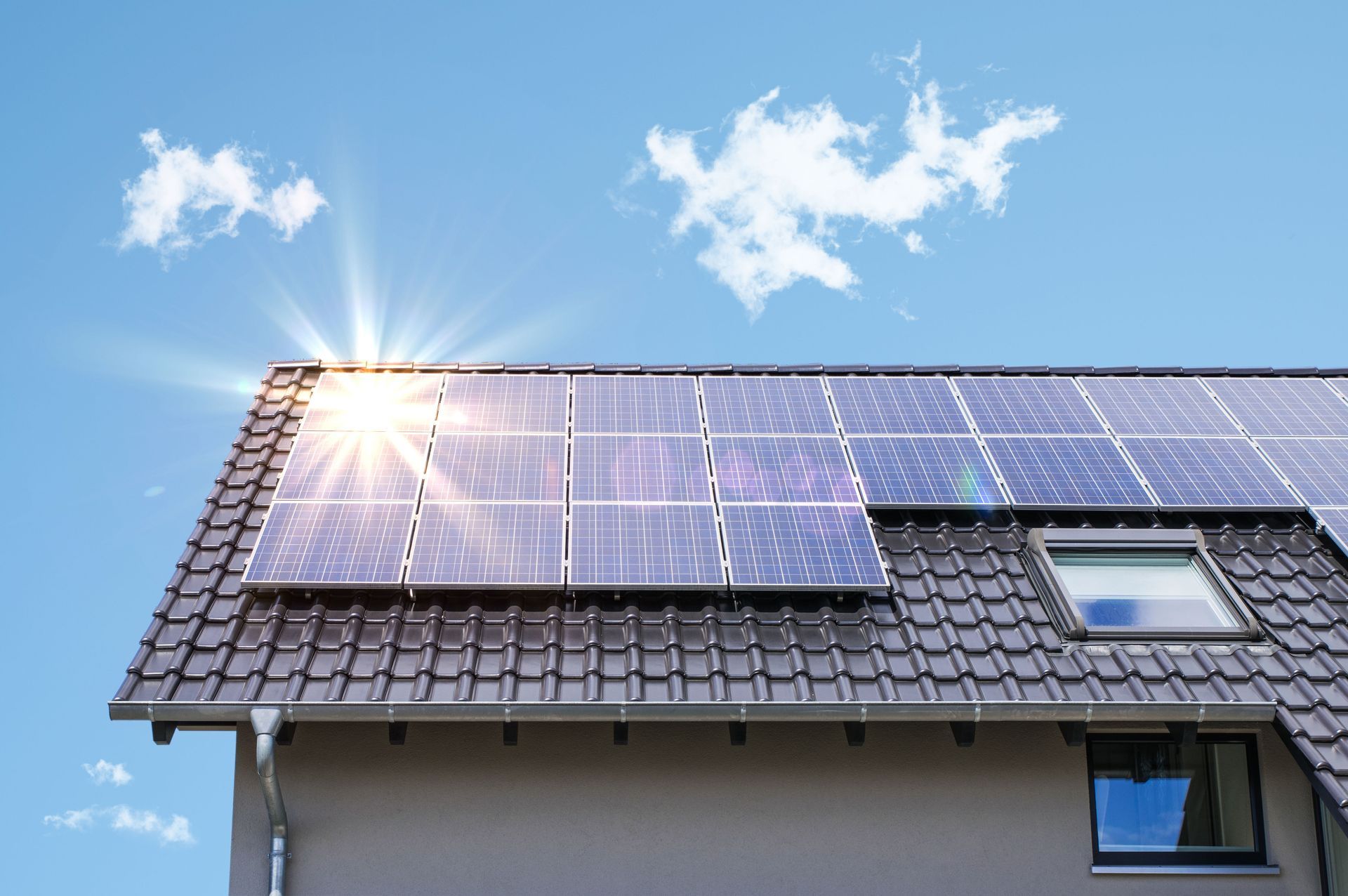
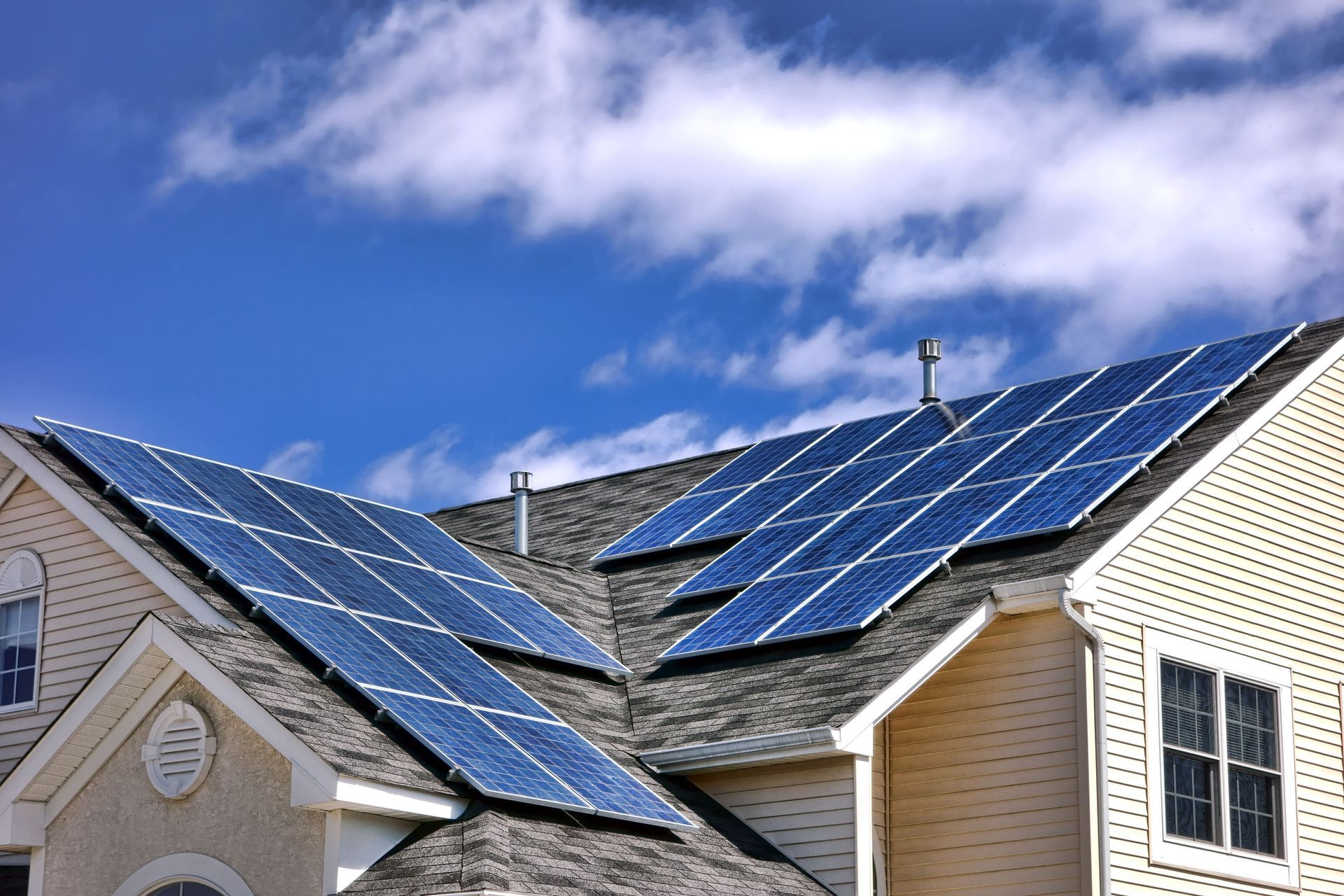
Roof orientation, shading from trees or structures, available space, and structural capacity all affect solar viability, and the system size your property can accommodate through rooftop or ground-mount installations. South-facing roofs with minimal shading provide optimal conditions, while east-west orientations or partial shading reduce production and may affect whether solar makes economic sense. The roof age and condition matter significantly, as installing solar on roofs nearing replacement creates the expensive complication of removing and reinstalling systems during roof work. Experienced solar installation professionals conduct site assessments, evaluating these factors, providing realistic production estimates based on your specific conditions rather than generic assumptions that may overestimate actual performance at your location, given your property's particular orientation, shading, and structural characteristics.
Comparing Equipment Options and Quality
Solar panels, inverters, and mounting systems vary substantially in quality, efficiency, warranties, and performance, with equipment choices significantly affecting long-term satisfaction and financial returns. Higher-efficiency panels generate more power from limited roof space but cost more per watt, creating tradeoffs between upfront investment and production capacity. Inverter technology, including string, micro, and power optimizers, offers different advantages regarding performance, monitoring, and reliability under various conditions. Quality solar installations use appropriate equipment for your specific situation rather than just whatever products generate the highest installer profits, ensuring system components work together optimally while providing the reliability and performance that justify solar investment through decades of dependable power generation.
Federal tax credits, state rebates, utility incentives, and net metering policies dramatically affect solar economics, making thorough research of available programs essential for accurate financial analysis. These incentives change frequently, and what's available when you purchase may differ from what you heard about from neighbors who installed systems under different incentive structures. The payback period calculation should include all costs, realistic production estimates, and actual utility rate savings rather than optimistic scenarios that sales presentations sometimes promote. Professional solar installation companies provide detailed financial analysis, helping you understand true costs, realistic savings, and accurate payback timelines based on your specific situation rather than generic examples that may not reflect your particular energy costs, consumption patterns, and available incentive programs.
Navigating Financing and Ownership Options
Cash purchases, loans, leases, and power purchase agreements offer different ownership structures, tax implications, and long-term economics that affect total costs and benefits throughout system lifetimes. Cash purchases provide maximum financial return but require substantial upfront investment that many homeowners cannot or prefer not to make, despite long-term economics favoring ownership. Loans allow ownership benefits while spreading costs, though interest reduces overall returns compared to cash purchases. Leases and PPAs eliminate upfront costs but also reduce savings and may complicate future home sales when systems cannot transfer easily. Reputable solar installation providers explain these options thoroughly, helping you select financing structures aligning with your financial situation and goals rather than just pushing whatever arrangement generates the highest installer compensation.
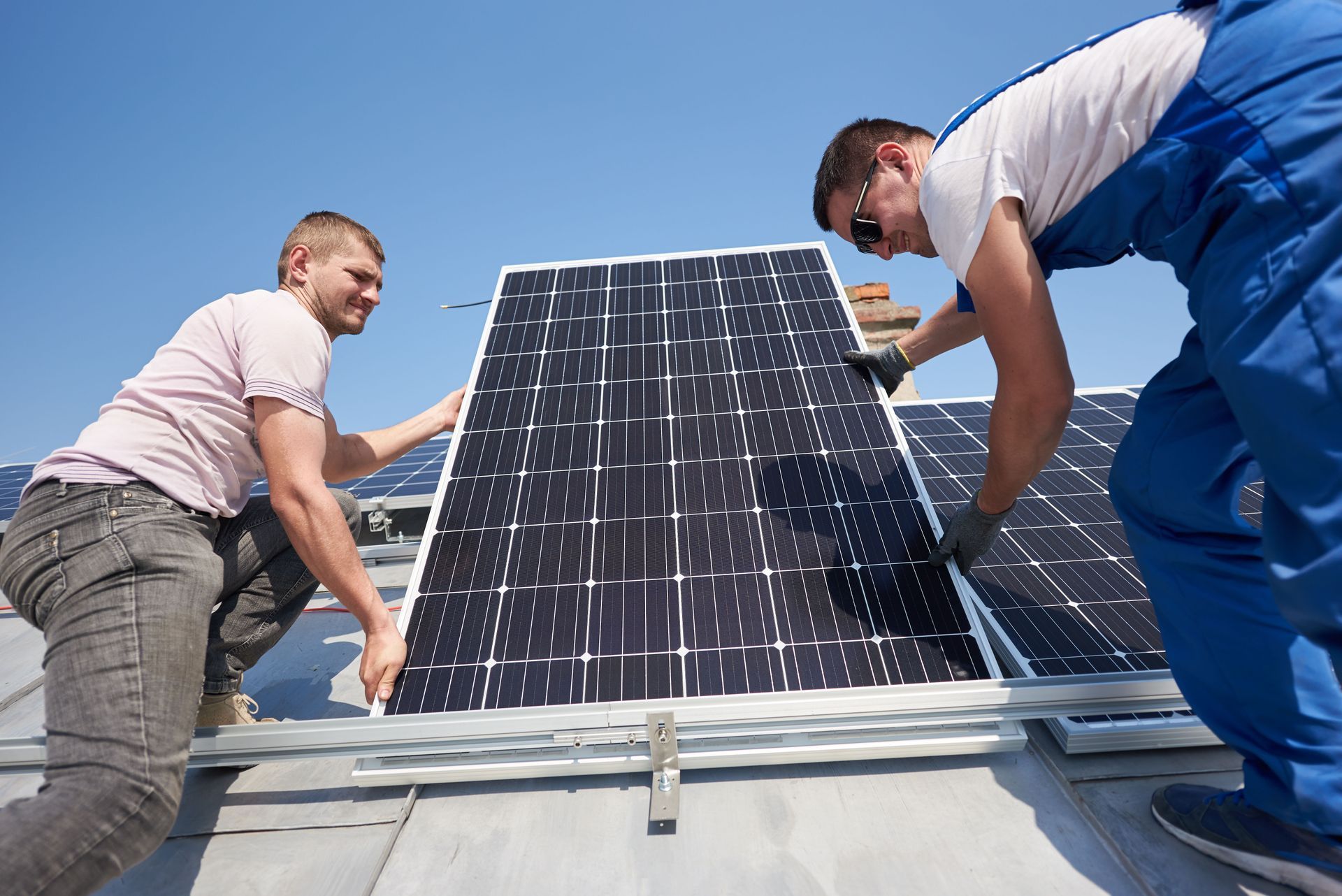
Contractor selection proves critical, as installation quality affects performance, reliability, and whether you can access warranties if problems develop years after installation. Industry certifications, local references, years in business, and installation volume all indicate contractor expertise and stability that affect whether companies will honor warranties and provide service throughout system lifetimes. The solar industry attracts both established professionals and fly-by-night operators, making thorough vetting essential before committing to installations. Experienced solar installation companies demonstrate their qualifications through certifications, local project portfolios, and transparent business practices that provide confidence they'll remain available for warranty service and system support throughout decades of operation rather than disappearing after collecting final payments.
Understanding System Monitoring and Maintenance
Modern systems include monitoring showing real-time production, identifying performance issues, and tracking savings, though monitoring quality varies between equipment and installer-provided platforms. This performance visibility allows early problem detection, ensuring issues receive attention before they significantly reduce production and savings. Maintenance requirements remain minimal but include periodic cleaning, occasional inverter replacement, and monitoring for damage or degradation. Professional solar installations include monitoring setup and maintenance guidance, ensuring homeowners understand how to track performance and when professional service becomes necessary for issues beyond routine cleaning that systems occasionally require for optimal performance throughout their 25-plus-year service lives.
Anticipating future electricity needs, including electric vehicles, home additions, or pool installations, helps size systems appropriately for projected rather than just current consumption. This forward-thinking prevents the frustration of installing systems that prove inadequate shortly after installation when circumstances change, and electricity needs increase. The ease of expanding systems varies, with some installations accommodating additional capacity readily while others max out available space or electrical capacity. Strategic solar installation design includes expansion capability when practical, ensuring systems can grow with changing needs rather than requiring complete replacement or accepting that future electricity increases cannot be offset through solar additions when initial installations consume all available space or electrical capacity.
Understanding these critical considerations helps homeowners navigate solar adoption successfully, making informed decisions that maximize benefits while avoiding common pitfalls that create disappointment and financial losses. The surge in residential solar reflects genuine advantages that this technology provides when properly implemented for suitable situations, though it's not universally appropriate for every home or homeowner. Thorough research, realistic expectations, and careful contractor selection ensure solar investments deliver promised benefits rather than creating regrets through hasty decisions or inadequate understanding of what successful solar adoption requires. Whether you need commercial solar installations, electrical services, electrical vehicle charger installations, generator installation, generator maintenance, generator repair, generator sales, generator service, meter installations and inspections, residential solar installation, solar power installation, or solar power design, Banner Power Solutions offers financing, provides senior and military discounts, and guarantees competitor price matching. For more information, contact us today!