July 21, 2026
Homeowners exploring solar energy often encounter conflicting information. While renewable energy has become increasingly popular, outdated assumptions and misinformation continue to influence how people view solar technology. As a result, many property owners hesitate to explore an option that could provide long-term value and environmental benefits.
The truth is that today’s solar systems are far more advanced than many people realize. Improvements in design, efficiency, durability, and installation practices have addressed many of the concerns that were common years ago. Understanding what is true and what is simply a myth allows homeowners to make informed decisions based on facts instead of misconceptions.
Whether someone is just beginning to research renewable energy or is seriously considering an installation, learning the realities behind residential solar panels can help eliminate unnecessary uncertainty. The following myths are among the most common and deserve a closer look.
Believing Solar Panels Only Work in Constant Sunshine
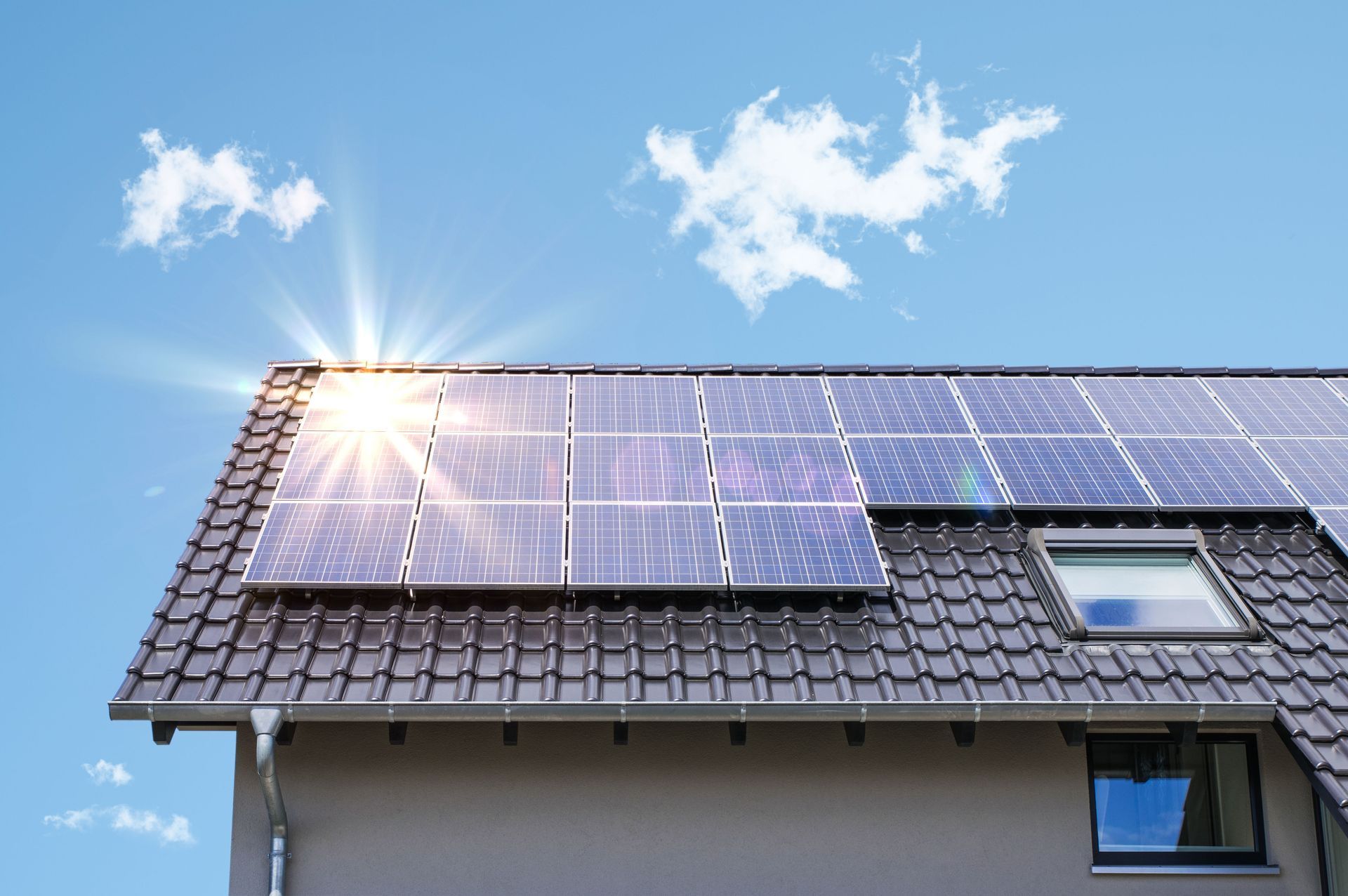
One of the most widespread misconceptions is that solar panels only generate electricity in areas with nonstop sunshine. While bright, sunny days certainly maximize energy production, modern solar technology continues producing electricity even when skies are cloudy or overcast.
Panels capture available sunlight rather than relying solely on direct rays. Diffused sunlight still contains energy that photovoltaic cells can convert into usable electricity. Although production may be somewhat lower during cloudy conditions, systems continue generating power throughout the day.
Seasonal weather changes also do not prevent effective operation. Cooler temperatures can actually improve panel efficiency because excessive heat may slightly reduce performance. Many regions that experience varied weather still see excellent annual energy production from properly designed systems.
Professional installers carefully evaluate each property’s sunlight exposure before recommending a system. This analysis helps ensure homeowners receive equipment that matches local climate conditions and household energy needs.
Assuming Solar Systems Damage Roofs
Some homeowners worry that installing solar equipment will weaken or damage their roofs. This concern often stems from older installation methods or misunderstandings about how modern mounting systems work.
Qualified professionals carefully inspect roofing materials before beginning any installation. If repairs are needed beforehand, those issues are addressed first to create a suitable foundation for the system.
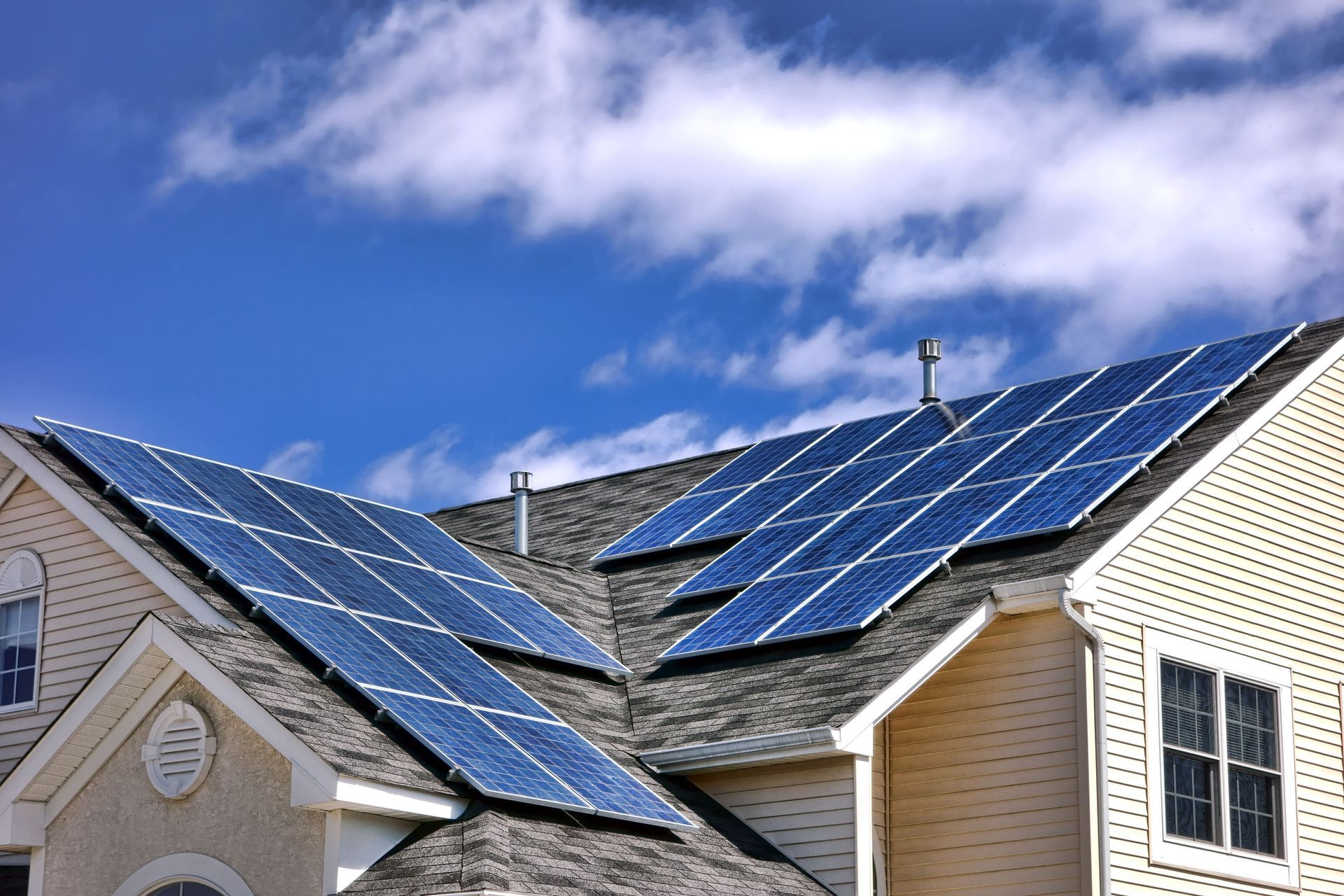
Today’s mounting equipment is specifically engineered to protect roofing materials while securely supporting solar arrays. Proper sealing techniques help prevent moisture intrusion, and experienced installers follow industry best practices designed to preserve the roof’s structural integrity.
In many cases, solar panels actually shield portions of the roof from direct exposure to sunlight, rain, hail, and other environmental conditions. This added protection may reduce weather-related wear on covered sections over time.
Working with experienced professionals ensures the installation process supports both system performance and long-term roof protection.
Thinking Solar Panels Require Constant Maintenance
Another persistent myth suggests that homeowners must spend significant time maintaining solar equipment. In reality, modern systems are designed to operate with minimal upkeep.
Because solar panels contain very few moving components, there are fewer opportunities for mechanical wear compared to many other household systems. Their durable construction allows them to withstand changing weather conditions throughout the year.
Natural rainfall often removes accumulated dust and debris. In situations where additional cleaning becomes necessary, qualified professionals can safely inspect and maintain the equipment without placing homeowners at unnecessary risk.
Routine inspections performed by experienced technicians help confirm that wiring, mounting hardware, and electrical connections continue functioning properly. These periodic evaluations support reliable operation while identifying potential concerns before they become significant problems.
Overall, maintenance requirements are generally much lower than many prospective buyers expect.
Assuming Solar Panels Are Too Expensive to Consider
Cost concerns discourage many homeowners before they fully investigate available options. While installing a solar energy system represents a significant investment, focusing only on the initial expense provides an incomplete picture.
Energy savings accumulated over time may help offset installation costs depending on household energy usage, local utility rates, and system performance. Many homeowners also appreciate the predictability that comes from generating a portion of their own electricity.
Financial programs, financing options, and available incentives may further improve affordability for qualifying property owners. Because these opportunities vary by location and change over time, consulting knowledgeable professionals helps homeowners understand current possibilities.
Growing consumer interest also reflects increasing confidence in solar technology. According to Gitnux, 25% of U.S. roofs are expected to be solar integrated by 2030, illustrating the continued expansion of residential adoption.
Rather than viewing solar strictly as an immediate expense, many homeowners consider its long-term financial and property value implications.
Believing Solar Panels Will Not Last Long
Some people mistakenly assume solar systems wear out quickly or require frequent replacement. Modern manufacturing standards tell a much different story.
High-quality panels are engineered for long-term outdoor exposure. They are designed to withstand changing temperatures, wind, rain, snow, and other environmental conditions while maintaining dependable performance.
Manufacturers also conduct extensive product testing before equipment reaches consumers. These evaluations help verify durability under challenging conditions that simulate years of regular use.
Although electrical components naturally experience gradual efficiency changes over extended periods, well-designed systems continue producing electricity long after installation. Professional monitoring and periodic inspections help maximize long-term performance while ensuring the system continues operating safely.
Selecting quality equipment and experienced installers plays an important role in achieving reliable results throughout the system’s lifespan.
Thinking Solar Panels Lower Property Appeal
Another misconception suggests that installing solar equipment makes a home less attractive to future buyers. In reality, many prospective homeowners increasingly value energy-efficient features.
Growing interest in sustainability has encouraged buyers to consider homes that offer lower utility costs and environmentally conscious improvements. Solar installations often represent an investment in modern technology that aligns with these preferences.
Professional installations are carefully planned to complement the home’s overall appearance. Panels are positioned with both performance and aesthetics in mind, creating clean, organized layouts that integrate with the existing roof.
As public awareness of renewable energy continues expanding, many buyers view solar systems as a desirable feature rather than an unwanted addition. Increased familiarity with solar technology has helped reduce many of the concerns that once influenced purchasing decisions.
Assuming Every Home Receives the Same Results
One final myth is that every solar installation produces identical outcomes. In reality, each property presents unique conditions that influence system performance.
Roof orientation, available sunlight, surrounding trees, neighboring structures, household energy usage, and roofing design all contribute to determining the most effective solution. Because of these variables, professional evaluations are essential before any recommendations are made.
Experienced installers perform detailed site assessments to determine system size, panel placement, electrical compatibility, and expected energy production. This customized approach allows homeowners to receive recommendations tailored specifically to their property’s characteristics.
Rather than relying on generalized assumptions, homeowners benefit from personalized guidance that reflects their individual goals and circumstances. Careful planning helps maximize efficiency while ensuring the completed system meets both current and future energy needs.
Understanding that every installation is unique allows homeowners to approach solar energy with realistic expectations and greater confidence.
Misconceptions have prevented many homeowners from exploring the real benefits of solar energy. Fortunately, advances in technology, professional installation practices, and improved system reliability have addressed many of the concerns that continue circulating today. From weather performance and maintenance requirements to durability and property value, the facts often tell a much different story than the myths.
Learning the truth about residential solar panels empowers homeowners to evaluate renewable energy with confidence instead of relying on outdated assumptions. Every property is unique, making professional guidance an important part of determining whether solar is an appropriate investment.
If you are interested in learning more about residential solar panels, we invite you to contact Banner Power Solutions. Our experienced team can answer your questions, evaluate your property, and help you determine whether residential solar panels are the right solution for your home. With knowledgeable support and customized recommendations, we are here to help you make an informed decision about residential solar panels for lasting energy benefits.