July 24, 2026
Ensuring access to continuous electrical energy is vital for modern properties. This article explores the critical role of generator installers in securing dependable energy backup, focusing on professional installation methodologies, strategic system integration, and critical safety frameworks.
Understanding the Complexities of Professional Generator Selection
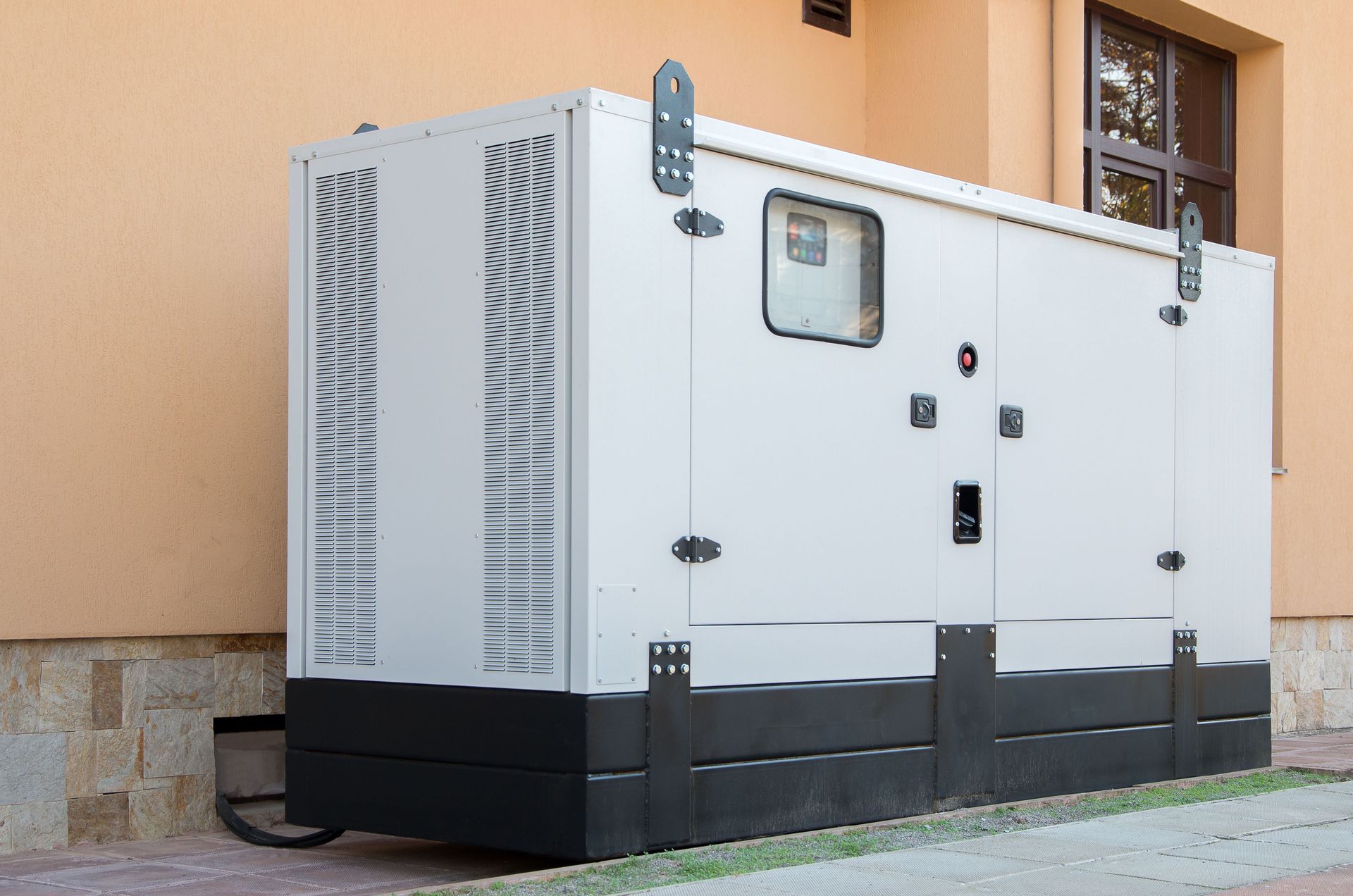
Selecting the appropriate backup power system requires a precise assessment of a property's total electrical load, structural layout, and localized zoning regulations. Certified generator installers evaluate these factors to determine whether a property necessitates a permanent standby system or a mobile power configuration. Proper equipment sizing prevents dangerous system overloads and ensures that crucial mechanical, cooling, and security components operate seamlessly during grid failures. Additionally, professionals must coordinate closely with utility providers to manage grid connections safely and legally.
Environmental and geographical logistics introduce further technical challenges that require customized placement strategies. Installers must account for regional weather extremes, potential flooding hazards, and strict noise ordinances when anchoring and housing a unit. By carefully assessing these physical parameters, technicians optimize the operational lifespan of the machinery and prevent premature failure caused by environmental exposure. This meticulous planning ensures the system remains protected and accessible for routine servicing.
A fundamental phase of the setup process involves comprehensive testing, load-banking, and commissioning. Certified generator installers subject the newly integrated system to simulated power failures, verifying that automatic transfer switches activate within designated parameters. This rigorous diagnostic process ensures that safety mechanisms function properly and that voltage outputs remain stable under peak operational demands. Following successful testing, technicians provide property owners with detailed operational training and structural maintenance schedules.
Integrating Renewable Energy with Traditional Power Infrastructure
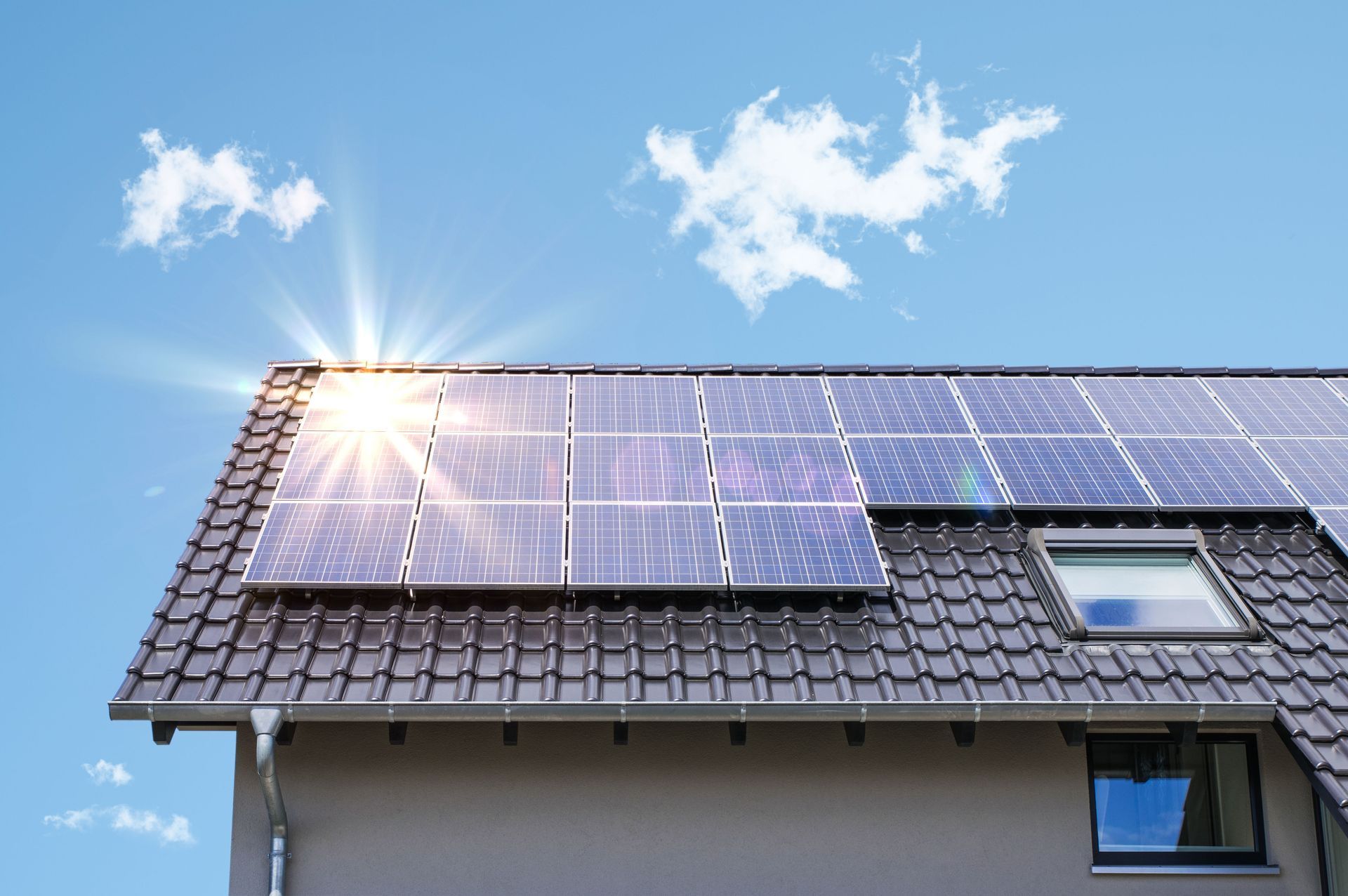
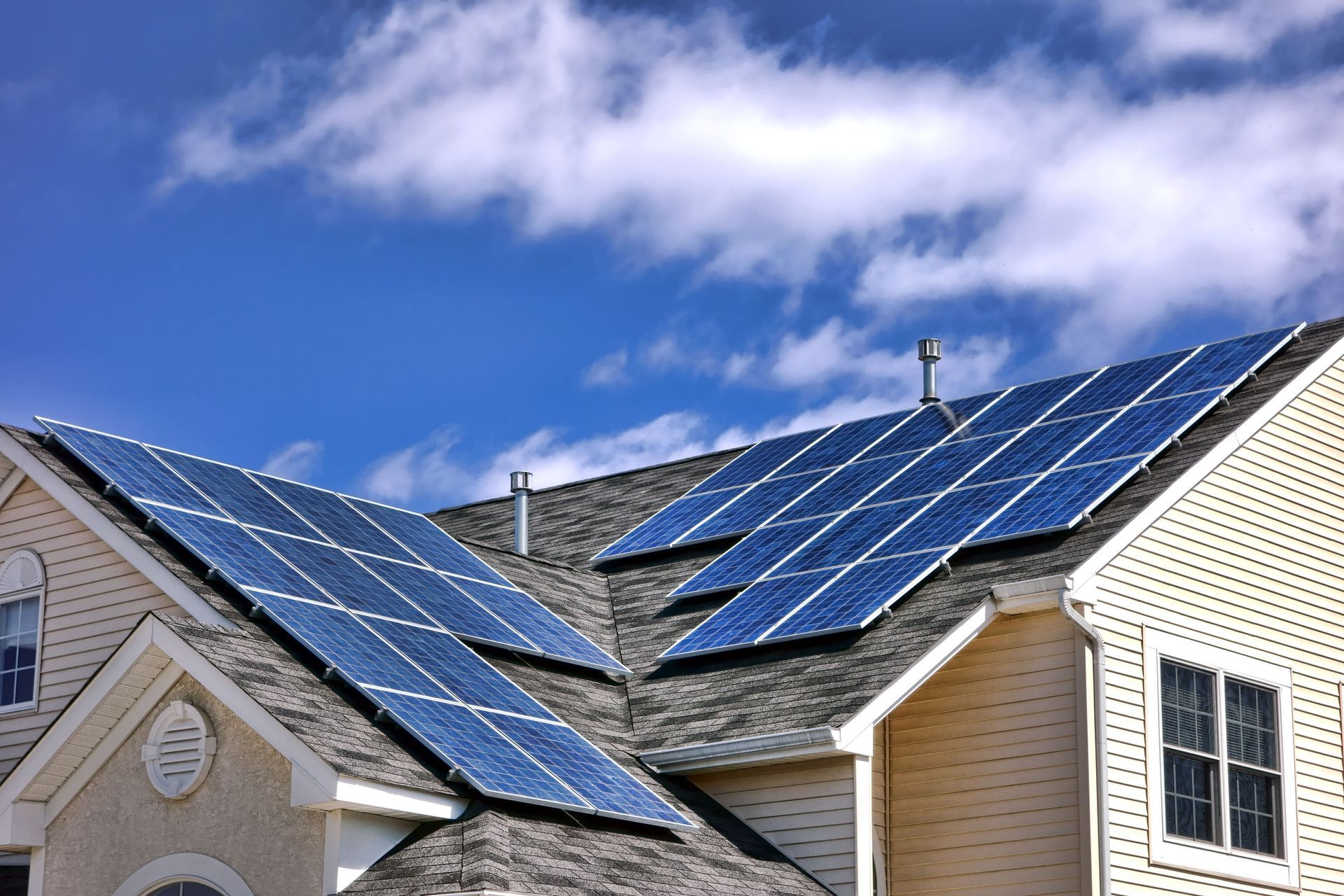
The contemporary energy sector relies heavily on combining traditional combustion generators with innovative, renewable technologies. According to the U.S. Energy Information Administration, almost 70 GW of new solar generating capacity projects were scheduled to come online across 2026 and 2027, representing a 49% increase in U.S. solar operating capacity versus the end of 2025. This massive expansion highlights the absolute necessity for modern generator installers to possess advanced competencies in hybrid system architecture. Bridging the gap between intermittent renewable generation and on-demand fossil fuel backup is paramount for modern grid independence.
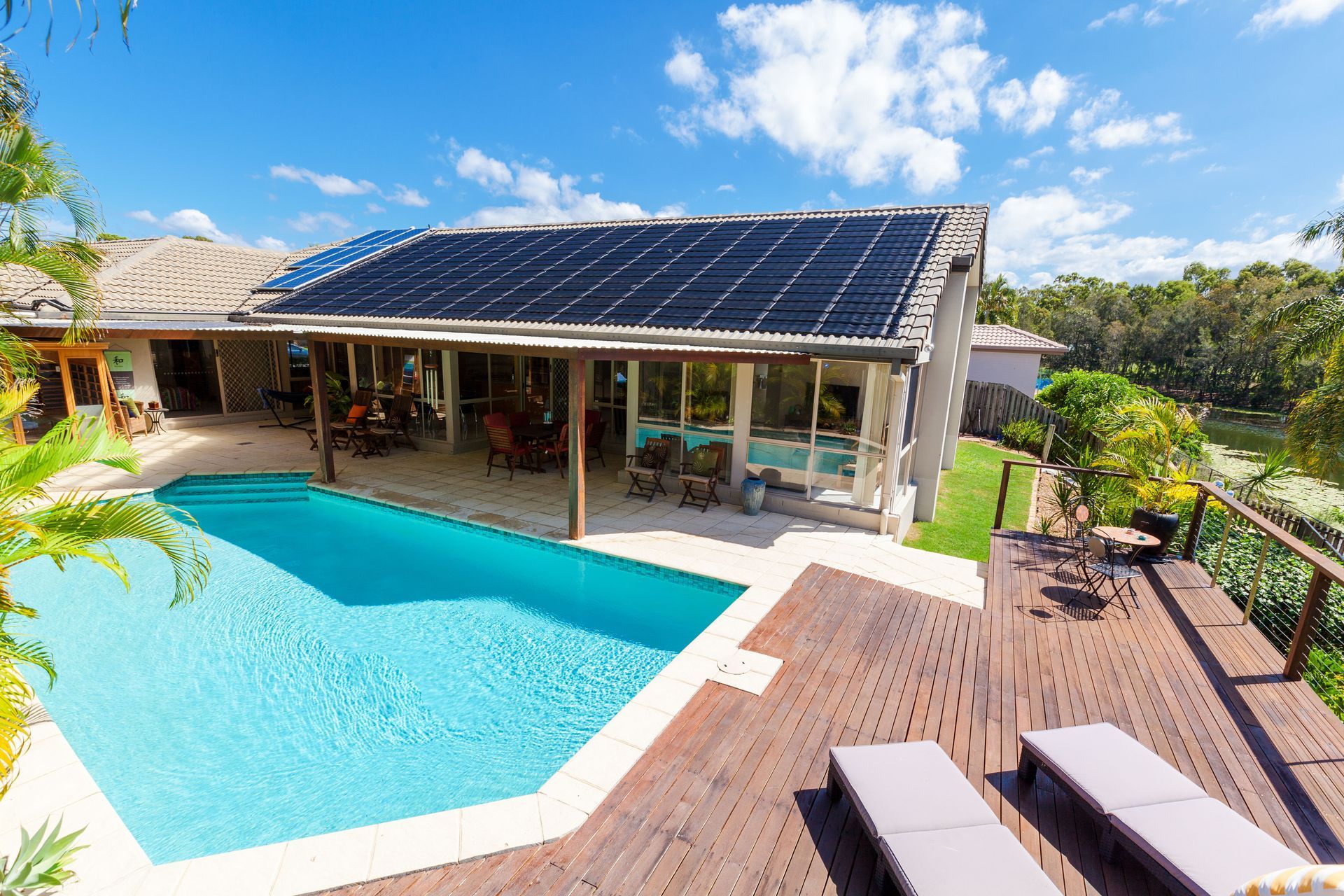
Hybrid configurations utilize sophisticated energy management software to monitor solar array outputs, battery state-of-charge metrics, and real-time building loads simultaneously. When solar generation drops or battery reserves fall below a specific threshold, the backup generator automatically engages to stabilize the microgrid. This calculated integration significantly reduces overall fuel consumption and minimizes carbon emissions while providing total energy security. Experienced technicians ensure that these diverse electrical components communicate flawlessly without causing phase imbalances or damaging sensitive circuitry.
Maintaining technical proficiency in this changing sector requires continuous educational updates and specialized certifications. Generator installers must understand advanced inverter technologies, battery storage capabilities, and smart grid communications to remain effective. Properties equipped with unified solar and generator systems achieve superior energy resilience, decoupling themselves from unstable public utility infrastructures. This sophisticated approach safeguards investments while contributing positively to macro-environmental sustainability initiatives.
Maximizing Property Value and Commercial Business Continuity
Implementing a professionally installed backup power architecture directly increases the commercial and residential market valuation of a property. In highly competitive real estate markets, buyers view integrated emergency power systems as premier, high-value assets that signal exceptional structural preparedness. For residential properties, a built-in generator ensures that climate controls, medical equipment, and security networks remain operational, elevating the property's desirability. This proactive engineering shields the asset from severe weather depreciations, such as structural freezing or mold growth caused by extended climate control failure.
For commercial enterprises, the installation of a dedicated standby system is an essential component of comprehensive risk management and business continuity strategies. Power interruptions lead to immediate fiscal losses, compromised data infrastructure, and severe disruptions to supply chain fulfillment. Partnering with professional generator installers allows corporations to protect their point-of-sale systems, industrial refrigeration, and digital database centers from sudden grid collapses. This operational resilience protects corporate revenue and reinforces consumer trust during regional emergencies.
Furthermore, many insurance providers offer substantial premium discounts to properties featuring professionally certified backup power systems. Insurance underwriters recognize that properties with automated standby power are less susceptible to expensive claims related to frozen piping, burst water lines, or security breaches during blackouts. Consequently, the initial capital investment required for professional installation is systematically offset by long-term insurance savings and sustained asset appreciation. Working with licensed professionals guarantees that all equipment complies with strict insurance underwriting guidelines.
Executing Advanced Diagnostics and Long-Term Preventative Maintenance
The operational reliability of an emergency power system depends heavily on the execution of strict, preventative maintenance protocols. Specialized generator installers provide tailored maintenance plans that include oil analysis, filter replacements, fluid level checks, and thorough battery diagnostic tests. These scheduled inspections allow technicians to identify and remediate minor mechanical anomalies before they escalate into catastrophic system failures during an actual grid crisis. Consistent maintenance ensures that moving parts remain lubricated and electrical contacts stay completely free of corrosion.
Modern backup power systems incorporate advanced digital diagnostic modules and Internet of Things (IoT) connectivity for real-time monitoring. These telemetry systems transmit immediate alerts regarding engine temperatures, fuel pressure fluctuations, and battery voltage drops directly to the installer's monitoring station. This interconnected oversight allows technicians to perform remote troubleshooting and deploy rapid service interventions before the property owner even notices a vulnerability. Keeping internal control software updated ensures the unit operates at peak fuel efficiency and maintains compliance with local emissions standards.
Neglecting professional maintenance can lead to fuel degradation, starter battery failures, and dangerous exhaust leaks that threaten property safety. Professional generator installers possess the specialized equipment required to perform simulated load testing, forcing the generator to run at its maximum rated capacity to burn off unburnt fuel deposits. This vital process prevents carbon build-up within the exhaust system, ensuring clean combustion and uncompromised power delivery. Entrusting these technical procedures to licensed professionals ensures the system remains compliant with original equipment manufacturer warranties.
Navigating Local Building Codes and Complex Safety Protocols
Installing a high-voltage electrical generation system involves navigating a complex matrix of national, state, and municipal building regulations. Professional generator installers are thoroughly versed in the National Electrical Code (NEC), local fire protection regulations, and strict environmental noise constraints. They manage the entire permitting process, ensuring that exhaust pathways, fuel storage configurations, and structural setbacks meet all legal safety mandates. Overlooking these regulatory requirements can result in costly municipal fines, forced equipment removals, and the complete invalidation of property insurance policies.
The physical integration of a generator requires flawless handling of high-voltage wiring, precise gas line connections, and the installation of critical safety switches. Certified generator installers implement code-compliant automatic transfer switches to eliminate the risk of backfeeding electricity into public utility lines. Backfeeding presents a fatal electrocution hazard to utility linemen working to restore regional power grids and can permanently destroy a building's internal electrical infrastructure when grid power returns. Professional installation guarantees total isolation between the public utility grid and the private generation system.
Additionally, technicians ensure that fuel supply configurations, whether utilizing natural gas, liquid propane, or diesel, feature certified shut-off valves and robust pressure regulators. Proper ventilation planning prevents deadly carbon monoxide gases from infiltrating the interior living or working spaces of a building. By applying rigorous engineering standards and safety controls, professional installers mitigate the inherent risks associated with continuous electrical generation. This absolute commitment to regulatory compliance protects property investments and, most importantly, human lives.
Securing Reliable Power Infrastructure
Securing an uninterrupted energy supply requires professional technical oversight, proper equipment selection, and ongoing preventative maintenance. Certified generator installers provide the specialized engineering expertise necessary to integrate dependable backup power systems into residential and commercial properties safely and legally. Investing in professional installation protects properties from severe financial downtime, enhances overall asset valuation, and ensures total operational safety during utility grid failures. For more information about the services that we offer, reach out to our incredible team at Banner Power Solutions today!