
Preparing for Hurricanes and Storms? Start With Generator Installation
This article discusses the essential steps to prepare for hurricanes and storms, emphasizing the importance of generator installation. As severe weather conditions become more frequent, reliable backup power is crucial for safety and convenience. Extreme weather events can result in prolonged power outages, disrupting everyday life and potentially threatening safety. According to Homepros, severe weather disasters in the first 9 months of 2024 caused 1.2 billion power outage hours. Thus, ensuring consistent power availability through a generator becomes increasingly essential for households in vulnerable areas.
Understanding the Importance of Generators
The Role of Generators During Storms
Generators play a crucial role during storms by providing an immediate power source when the electrical grid fails. They ensure that households can maintain basic functions such as lighting, refrigeration, and heating. Beyond residential use, businesses depend on generators to prevent financial losses and maintain operations. In storms, communication is key, and generators power essential devices to keep lines open. Ultimately, they act as a lifeline in times of need, maintaining continuity and safety.
Impact of Power Outages on Daily Life
Power outages disrupt daily activities, affecting everything from cooking to working remotely. In severe cases, outages can stall medical devices and other life-supporting technologies within homes. Businesses can face significant setbacks due to downtime and potential loss of data. Extended outages, as observed in recent severe weather events, illustrate the growing need for reliable backup power solutions. Consequently, investing in a good generator can mitigate the risks associated with such interruptions.
Statistics on Storm-Related Power Disruptions
Statistics reveal the increasing frequency and duration of power outages related to severe weather. As highlighted, 1.2 billion power outage hours were recorded in the first nine months of 2024 due to weather disasters. This figure underscores the significant impact of storms on the stability of electrical systems across regions. Such data compel households to weigh the cost of potential disruptions against the investment in reliable backup power. Moreover, these statistics highlight the uncertainties of climate patterns and the critical need for preparedness.
Cases of Successful Generator Utilization
Numerous accounts illustrate how generators have effectively mitigated the impact of storm-induced power outages. For instance, during Hurricane Sandy, many households with generators avoided the three-week blackout experienced by others. Businesses equipped with standby generators reported a smoother recovery process compared to those relying solely on the grid. These cases serve as testimonials highlighting the importance of generators in reducing downtime. They exemplify proactive planning, showcasing how forethought can sustain a household or business during crises.
Comparison Between Generators and Other Backup Solutions
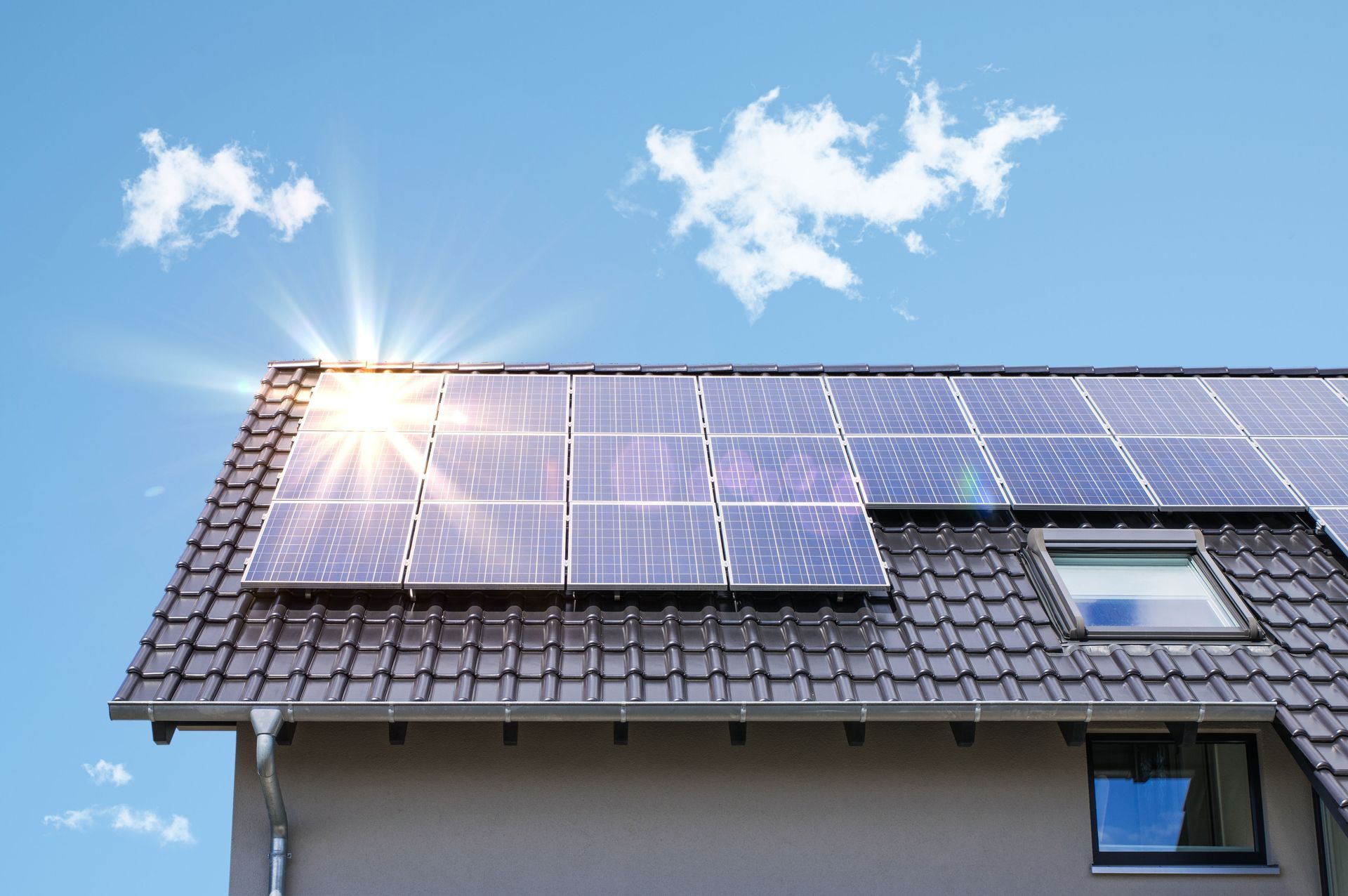
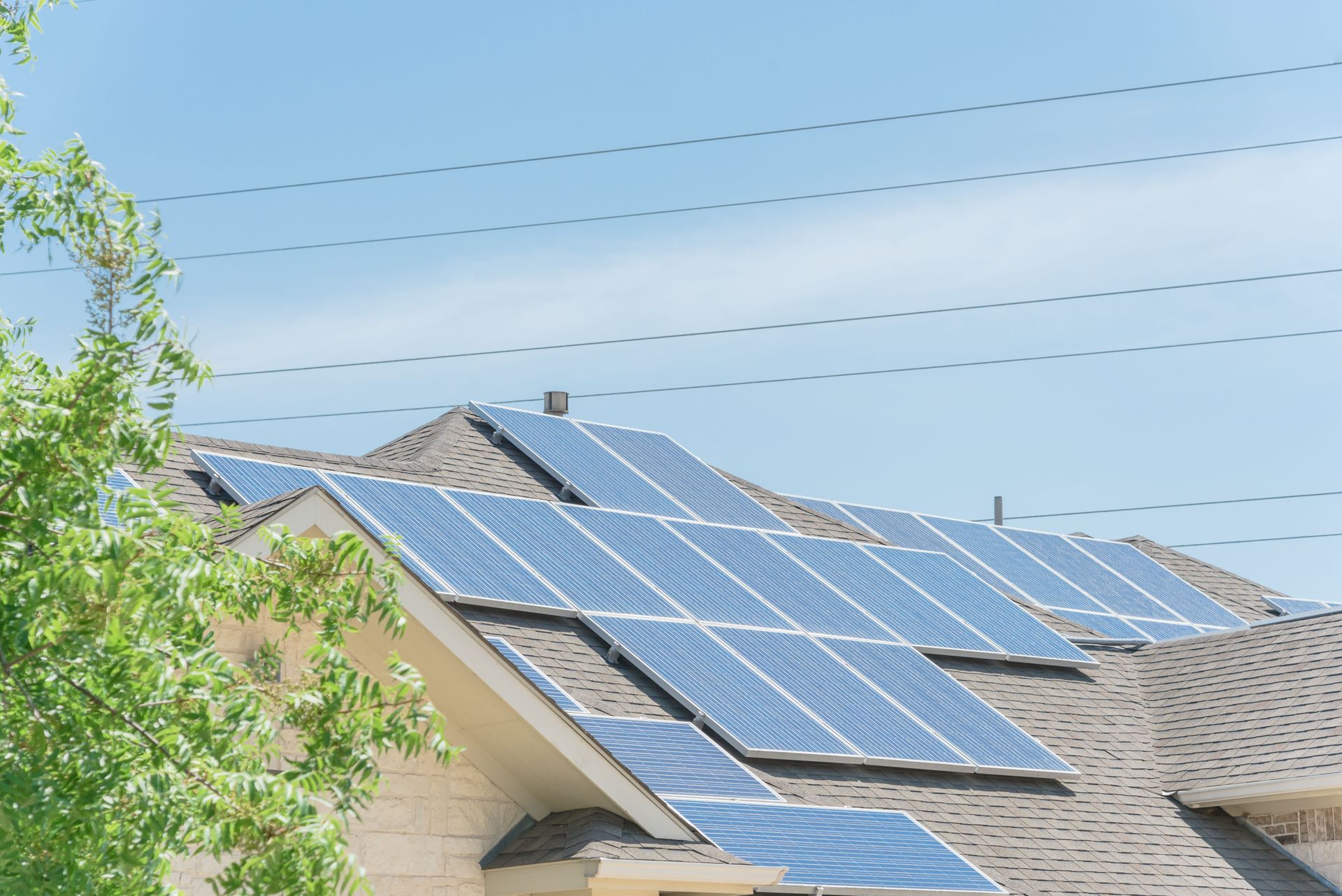
When considering backup power solutions, it's crucial to compare generators with other alternatives like battery storage and solar panels. Generators, particularly fuel-based ones, provide a more immediate and potent power source than many solar setups. While solar panels are environmentally friendly, their efficiency can be compromised during stormy weather when sunlight is scarce. Battery storage systems may offer silent operations but might not sustain prolonged power outages without substantial capacity. In contrast, generators adjust to various energy demands and typically provide a more reliable stopgap during extended outages.
Types of Generators Suitable for Home Use
Portable vs. Standby Generators
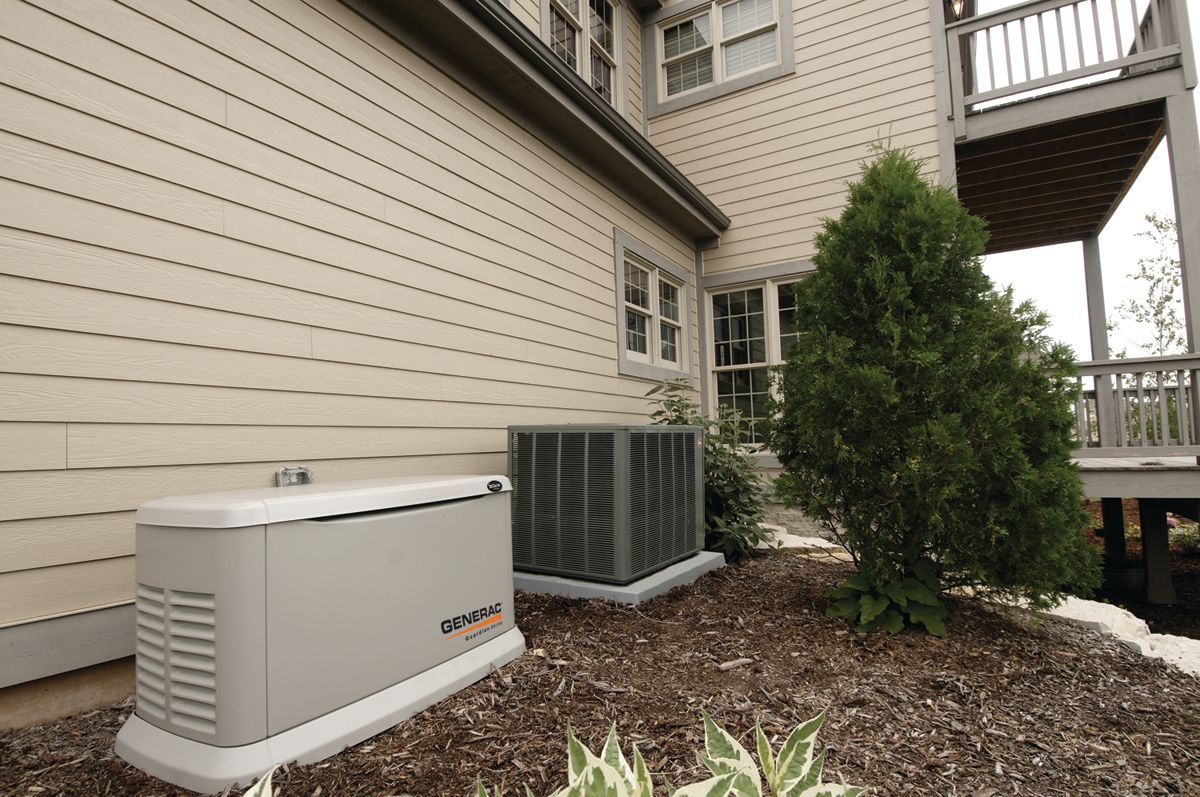
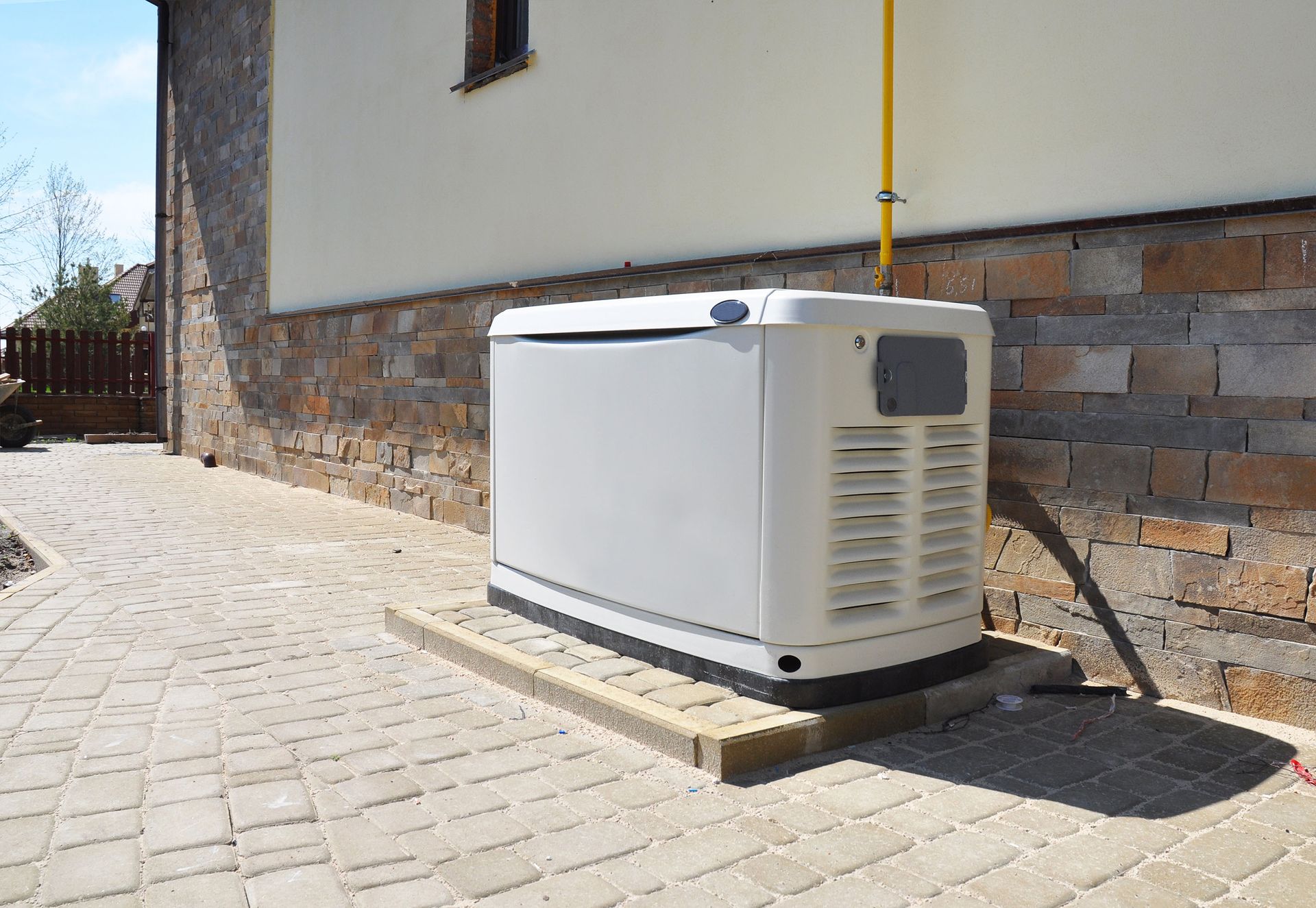
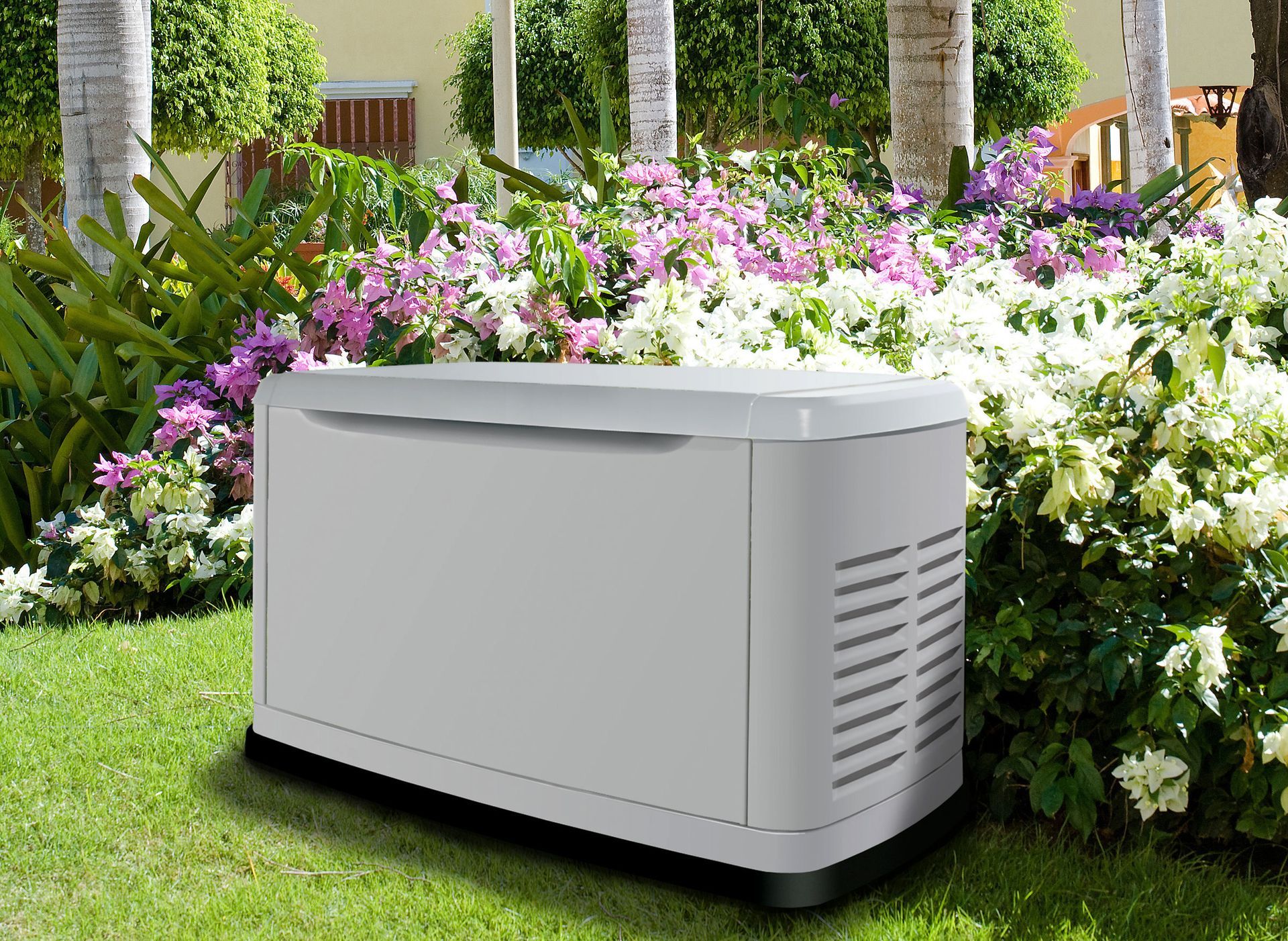
Choosing between portable and standby generators largely depends on one’s power needs and budget. Portable generators are often more affordable, offering mobility and ease of use for temporary power solutions. They can power essential appliances but usually require manual refueling and starting. Conversely, standby generators are installed permanently and automatically activate during a power outage, providing seamless backup for whole-house needs. The initial investment may be higher for standby generators, but the convenience and reliability often justify the cost.
Fuel Options: Gasoline, Diesel, Propane, and Natural Gas
Fuel selection is an important consideration when selecting a generator, impacting performance, cost, and environmental footprint. Gasoline is readily available and can power many portable models, yet it's less efficient for long-term storage due to its volatile nature. Diesel engines tend to be more efficient, particularly for standby generators, although they can emit higher levels of pollutants. Propane and natural gas offer cleaner-burning alternatives, with the latter providing a continuous supply if piped directly from the city’s grid. Each fuel type has its advantages and constraints, depending on available infrastructure and environmental priorities.
Power Output and Capacity Considerations
Power output is a critical factor when selecting a generator. Households must assess their electrical load requirements to identify suitable capacity. Small portable generators can handle several essential appliances while larger units can power an entire home. The choice of generator should reflect the balance between desired comfort levels and critical power supply during an outage. It's essential to avoid both under and overestimating needs, ensuring an adequate supply without unnecessary excess capacity, which could lead to inefficiency.
Noise Levels and Environmental Impact
Noise levels of generators vary and can influence the decision, especially in residential settings. Portable gasoline-powered generators often produce more noise, which can be disruptive in close-knit neighborhoods. Generators powered by natural gas or propane tend to be quieter and have a lesser environmental impact. Innovations in generator design continue to improve noise reduction and enhance fuel efficiency, aligning with eco-friendly objectives. Prioritizing quieter units can provide greater comfort during prolonged use, especially in densely populated areas.
Cost Analysis and Budgeting
Investing in a generator requires a comprehensive cost analysis including upfront payment and ongoing operational expenses. Portable generators offer initial affordability but can incur higher operational costs due to frequent fuel procurement. Standby units require a larger initial investment, yet they can be more cost-effective over time with lower maintenance and fuel use. Conducting a thorough cost-benefit analysis is essential, factoring in the prospective frequency of use and financial risk aversion during power outages. Careful budgeting ensures that the chosen generator aligns with one’s financial capacity and protection needs.
Essential Features to Look for in a Generator
Automatic Transfer Switch (ATS)
An Automatic Transfer Switch (ATS) is an essential feature for standby generators, ensuring seamless power transitions. During a power outage, the ATS immediately detects the interruption and activates the generator. This automatic response prevents power lapses, ensuring critical systems remain uninterrupted. The ATS then reconnects to the grid when power returns, requiring minimal intervention. Integrating an ATS into a generator setup fosters convenience and enhances preparedness for unexpected outages.
Remote Monitoring Capabilities
As technology evolves, remote monitoring capabilities are a valuable addition to modern generators. This feature allows users to track performance, fuel levels, and maintenance needs from a smartphone or computer. Remote monitoring offers peace of mind, enabling real-time updates and management of the generator's functionality from any location. This technology not only enhances usability but also ensures timely maintenance and repairs, optimizing performance. Embracing these advancements can keep your backup power system responsive and efficient.
Load Management Systems
Generators equipped with load management systems can effectively prioritize power distribution during outages. This feature ensures that high-priority appliances receive electricity, balancing the electrical load and preventing generator overload. By optimizing energy usage, households can extend the generator’s capacity to power essential devices for longer periods. Implementing load management also enhances the generator’s durability by minimizing strain and maximizing efficiency. Investing in such systems ensures household preparedness and sustains operations during extended power losses.
Durability and Weather Resistance
Durability and weather resistance are paramount considerations for generators, especially in storm-prone areas. Generators designed to withstand harsh conditions often feature robust enclosures and corrosion-resistant materials, extending their lifespan. Ensuring that the generator can endure adverse weather minimizes maintenance needs and potential breakdowns during critical times. Weather-resistant generators offer reliable protection and peace of mind during severe weather events. Investing in durable equipment can avert additional costs and ensure consistent functionality when it's needed most.
Safety Features and Certifications
Safety features are crucial in protecting both the generator and the household. Modern generators often come with features like overload protection, low-oil shutoff, and carbon monoxide detectors right from the time of generator installation. Acquiring units with appropriate certifications ensures they meet safety and performance standards. These additions are vital in preventing mishaps and extending the life of the generator. Prioritizing safety features during purchase safeguards against potential hazards while optimizing the generator's operational efficacy.
Installation Process and Considerations
Hiring Certified Professionals vs. DIY Installation
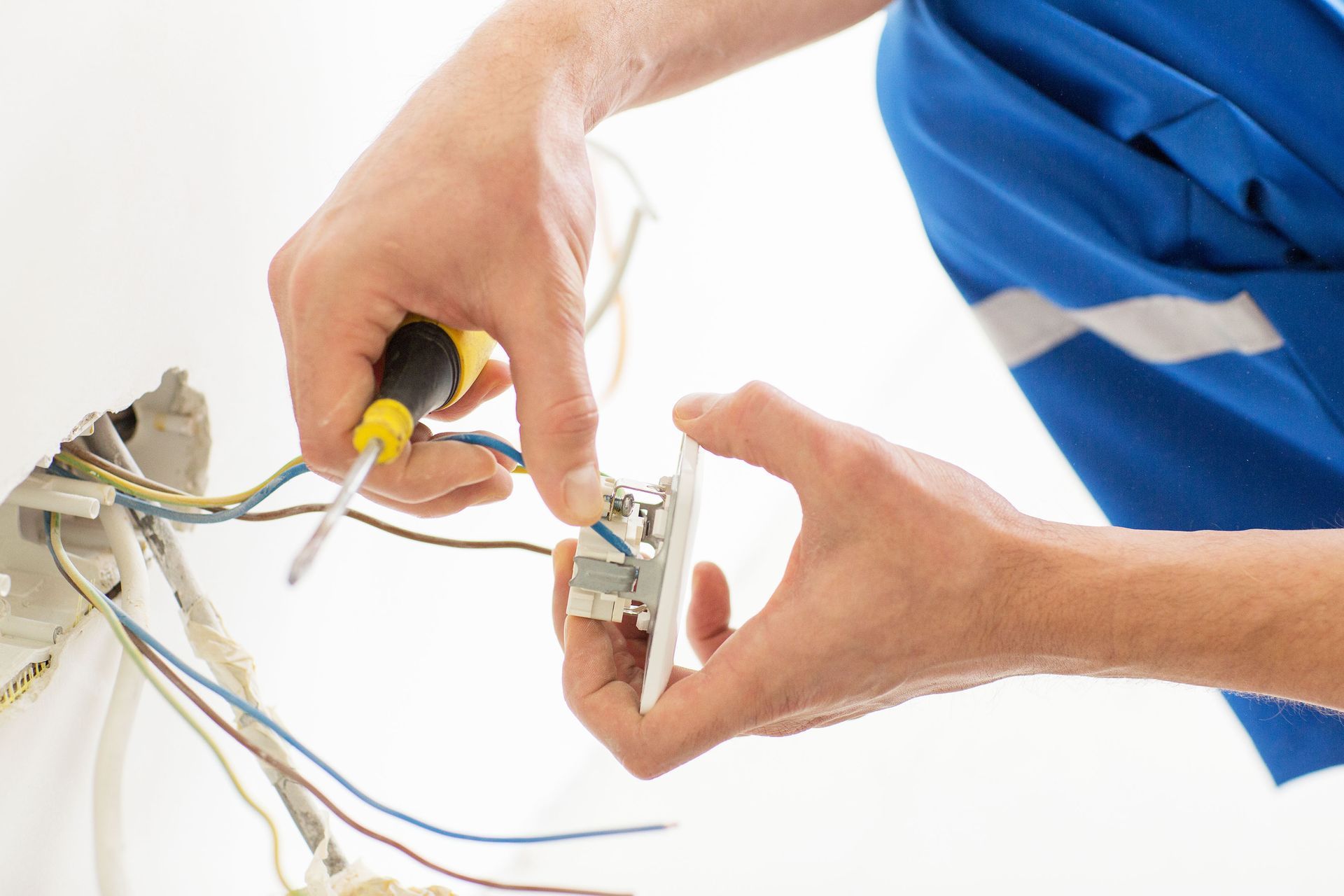
Deciding between hiring certified professionals and opting for DIY installation involves weighing skills, time, and safety. While DIY installation might seem cost-effective, it can include hidden risks if not executed properly. Certified professionals bring expertise, ensuring compliance with safety standards and proper functioning. Furthermore, professional installation often comes with warranties or guarantees, providing additional security. Opting for skilled labor ensures a thorough setup, significantly reducing post-installation issues or maintenance needs.
Site Survey and Preparation
A comprehensive site survey is essential before installing a generator, laying the groundwork for effective operation. This involves assessing suitable locations away from living areas to mitigate noise and exhaust concerns. Evaluating soil stability and ensuring a level surface are crucial to maintaining the generator’s functionality and safety. Taking local environmental conditions into account, such as flooding risks, informs where to best position the generator. This preparatory work is foundational to avoiding complications and ensures the generator operates at optimal efficiency from the start.
Permits and Regulations Compliance
Complying with permits and regulations is a mandatory step in generator installation. Regulations can vary by region, including zoning laws, noise ordinances, and emission controls. Navigating these complexities often requires collaboration with local authorities or a professional installer. Ensuring compliance not only avoids fines but also aligns installation with community standards and safety requirements. Adhering to these legalities guarantees that the investment is protected and integrated smoothly into the home's infrastructure.
Connecting to the Home's Electrical System
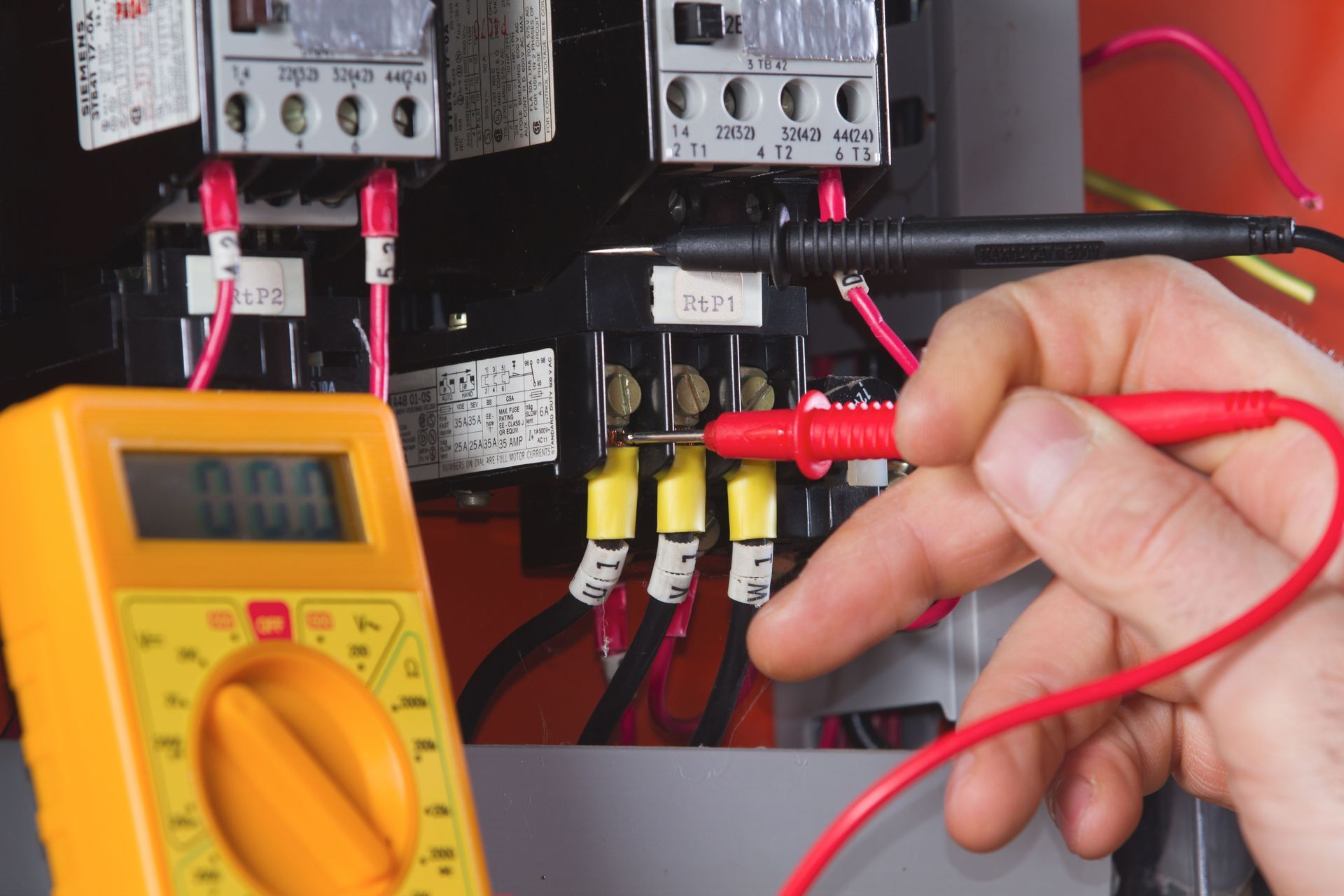
Proper connection of the generator to the home’s electrical system is critical for efficient power distribution. Installing an ATS is crucial for standby generators, streamlining the transition from grid to generator power during an outage. Ensuring correct wiring and avoiding any shortcuts prevents electrical hazards and optimizes electricity flow. Professional electricians are often employed to ensure adherence to safety standards and proper installation techniques. Achieving proper connectivity maximizes the generator’s potential and ensures seamless integration within the home’s power system.
Testing and Maintenance Routines
Regular testing and maintenance routines are paramount for sustaining a generator's performance and reliability. Conducting routine tests under load conditions ensures that the generator remains operational and ready. Regular maintenance, including oil changes and component inspections, helps to identify and resolve potential issues preemptively. Creating a maintenance schedule with a professional ensures that all necessary tasks are performed on time. Through disciplined testing and upkeep, owners can confidently depend on their backup power solution when required.
Maintaining Your Generator for Optimal Performance
Regular Inspection and Servicing
Generator installation isn't the only time you should consider your generator's health. Consistent inspection and servicing are vital for the long-term functionality of a generator. It’s recommended to inspect components such as fuel lines, filters, and connections routinely. Regular servicing enhances efficiency, potentially extending the generator’s lifespan while ensuring cost-effective operation. Partnering with professional technicians for annual check-ups provides peace of mind and technical assurance. These inspections mitigate the risk of unexpected failures, maintaining readiness for emergency use.
Fuel Management and Storage
Effective fuel management and storage can significantly influence a generator's performance during outages. Knowing the shelf life of each fuel type is crucial to maintaining a ready fuel supply. Correctly storing fuel reduces the risk of contamination and degradation, preserving fuel quality for extended storage periods. Implementing a systematic rotation of fuel reserves helps to keep stocks fresh and reliable when needed. Strategic fuel management and storage ensure the generator operates seamlessly when the primary power source is disrupted.
Battery Care and Replacement
Proper battery care is essential to sustaining generator readiness and functionality. Regular battery checks involve inspecting terminals for corrosion and ensuring electrolyte levels are adequately maintained. Confirming that batteries hold their charge helps to guarantee generator start-up during critical emergencies. Knowing the lifespan of batteries and scheduling replacements preempt potential failures. Maintaining a focus on battery health ensures dependable performance when generator power is needed most.
Troubleshooting Common Issues
A knowledge of common generator issues can facilitate timely troubleshooting and repair. Issues such as starting failures may often arise from fuel blockages or dead batteries. Addressing these promptly can restore functionality and prevent more severe complications. Familiarity with the generator's manual and consulting a professional can aid in diagnosing concerns accurately. Prioritizing swift resolution of these issues minimizes downtime and preserves operational reliability.
Professional Maintenance vs. Home Care
Deciding between professional maintenance and home care involves assessing the level of technical expertise required. While some generator tasks, like basic cleaning and minor part replacements, may be manageable for the homeowner, complex tasks require professional attention. Professionals provide comprehensive evaluations and possess specialized techniques to handle intricate issues. Balancing home care with professional input ensures that the generator remains in excellent condition, reducing the risk of malfunctions. Knowing when to engage professionals can safeguard both the equipment and the investment.
Planning for Long-Term Power Outages
Creating a Comprehensive Power Outage Plan
Developing a comprehensive power outage plan is crucial for sustainable resilience against prolonged disruptions. It involves identifying essential electrical needs and ensuring those are met during outages. Planning might also include acquiring additional equipment or resources to supplement the generator setup. Regular review and updating of the plan account for any changing household requirements or advancements in technology. A detailed outage plan assures continuity of daily life and prepares households for anticipated and unanticipated disruptions.
Stockpiling Essential Supplies
Stockpiling essential supplies can bolster preparedness during long-term power outages. Storing non-perishable foods, water, batteries, and medical supplies ensures basic needs are met. Strategic supply accumulation mitigates the stress of sudden shortages during extended crises. Implementing an organized stockpiling system allows easy access and rotation, maintaining quality and freshness of supplies. Ensuring an appropriate stockpile can substantially improve safety and comfort during severe weather events or extended outages.
Incorporating Renewable Energy Sources
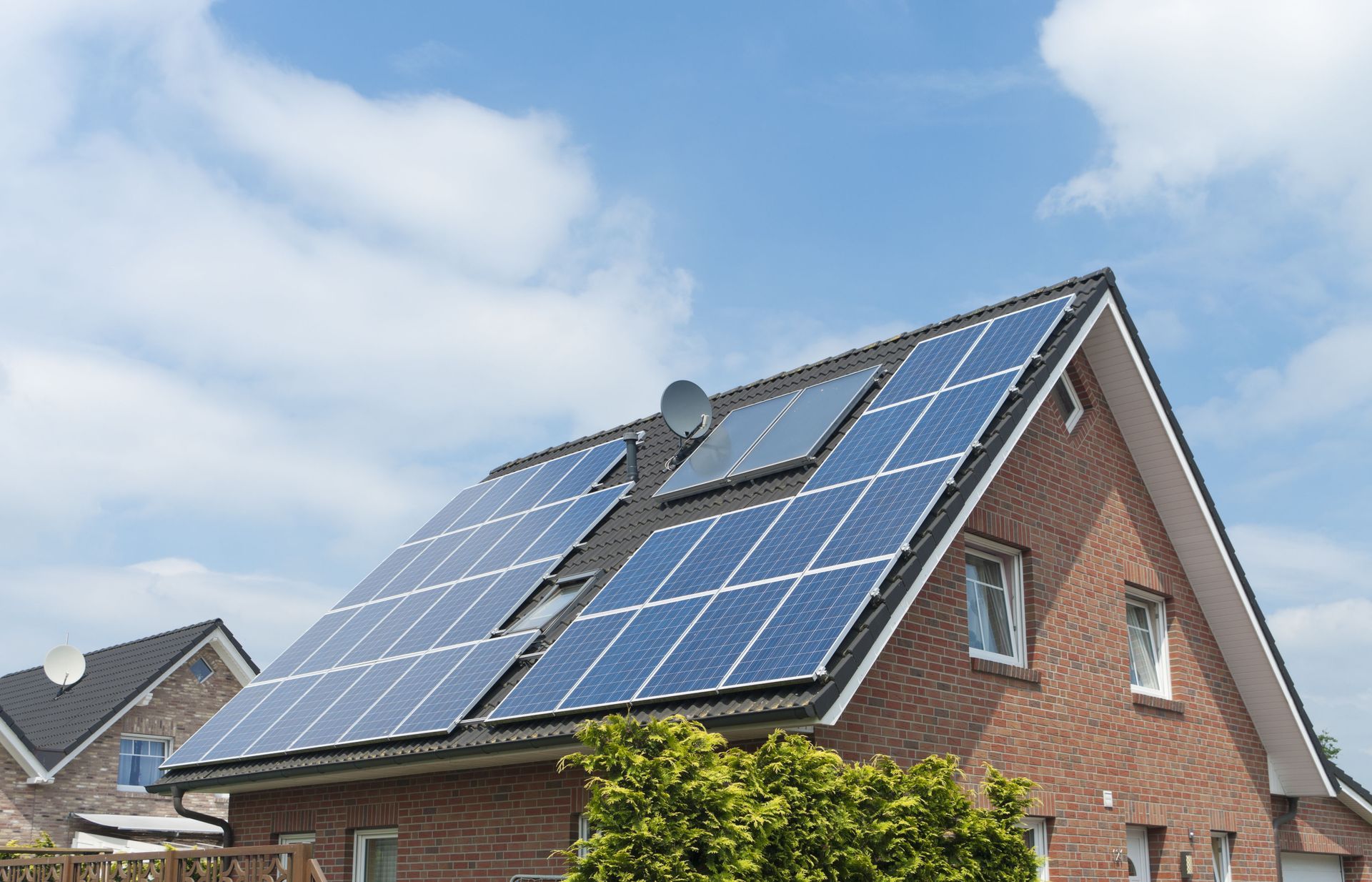
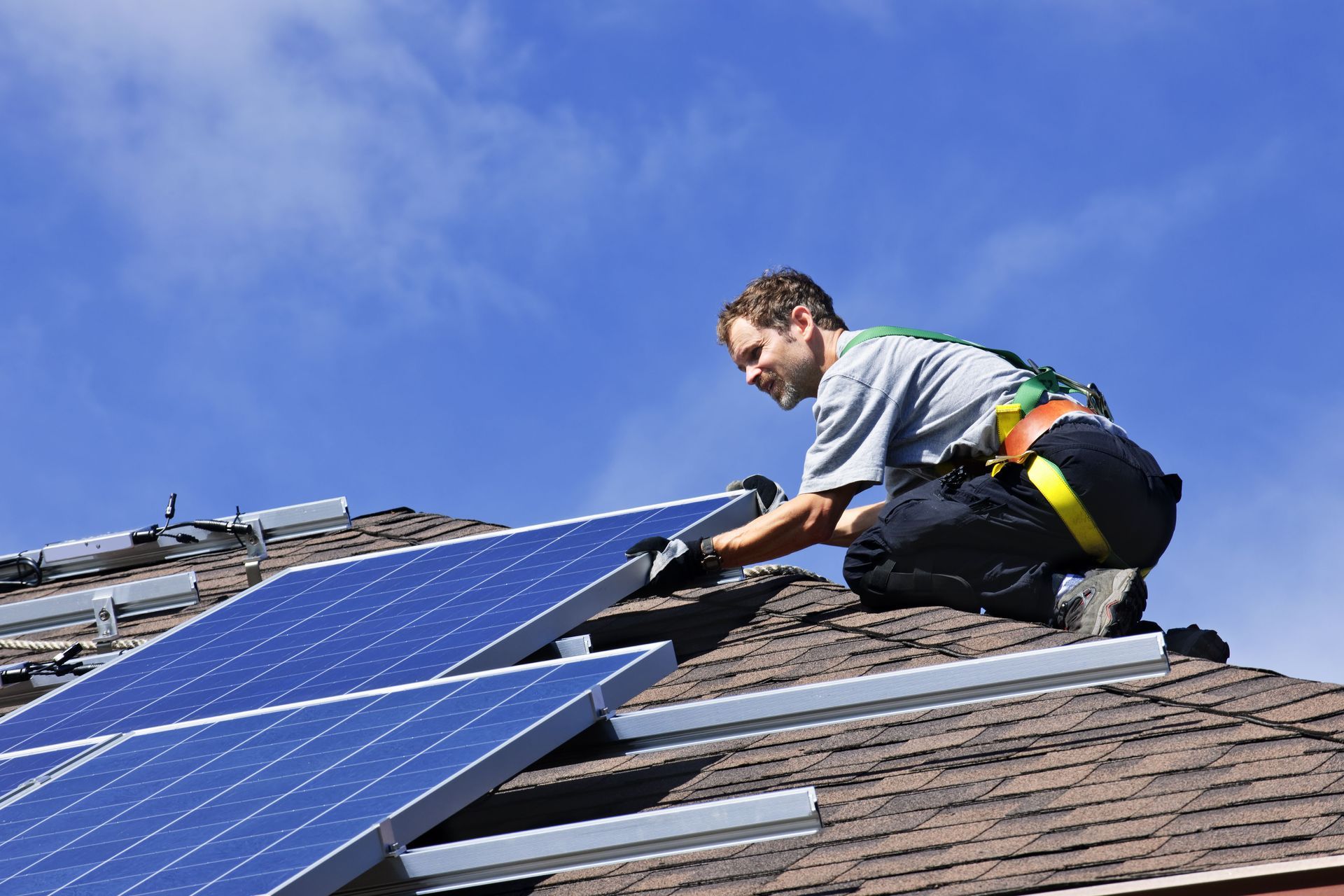
Increasing interest in sustainability drives households to consider renewable energy sources alongside generators. Solar panels and wind turbines offer supplementary power and can reduce reliance on gas-based generators. Integrating renewables requires careful planning to ensure energy stability, particularly in conjunction with non-renewable backups. A hybrid approach provides an eco-friendly, cost-effective option, reducing the environmental impact and fuel dependence. Through strategic incorporation, households can lessen their carbon footprint while maintaining energy resiliency in harsher conditions.
Community Support and Shared Resources
Engaging with community support networks and sharing resources can enhance resilience during prolonged outages. Neighborhoods working together can establish common areas powered by shared resources for charging devices or emergency communication. Developing collective resource plans maximizes equipment utilization and fosters community solidarity. Support networks enhance preparedness by distributing essential supplies and sharing vital information. Collaborative community efforts optimize local resources, bolstering both individual and collective preparedness in facing severe weather challenges.
Reviewing and Updating Plans Annually
Consistently reviewing and updating preparedness plans ensures they remain relevant and effective. Recognizing changes in technology, household needs, and regional risk factors is essential for adaptation. Annual evaluations allow for adjustments and improvements, facilitating more streamlined responses during disruptions. Keeping plans current can avert complications, ensuring preparedness aligns with the evolving landscape of climate challenges. Emphasizing regular updates enhances overall readiness and adaptability in the face of emerging weather phenomena.
Conclusion
In conclusion, preparing for hurricanes and storms involves careful planning and investment in reliable backup power solutions like generators. Understanding the types, features, and maintenance of generators ensures that homes remain powered during outages, safeguarding families and sustaining daily life. As extreme weather events become more frequent, Banner Power Solutions is here to help provide increasingly crucual generators as a reliable source of secondary power. Households can mitigate the adverse effects of prolonged power outages by focusing on
generator installation, fostering a sense of security and preparedness. Embracing generator use as part of comprehensive planning fortifies resilience and enhances quality of life against the unpredictable challenges of severe weather.
Share On: